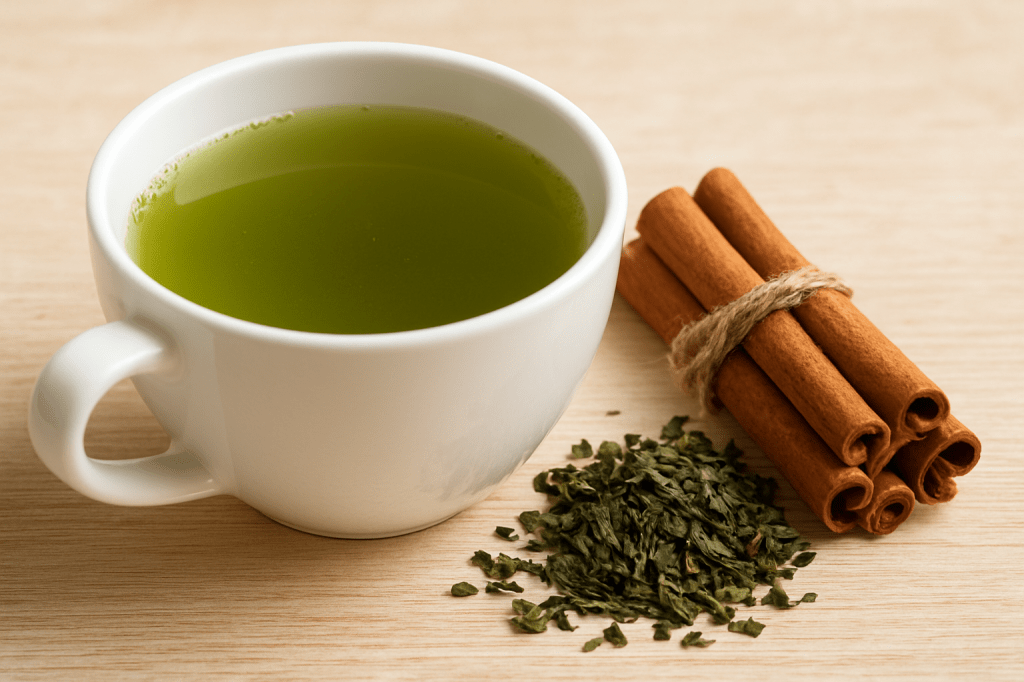
Green tea has been studied extensively, and its benefits mainly come from its high content of antioxidants—especially catechins like EGCG (epigallocatechin gallate). Here is a detailed breakdown:
1. Antioxidant Powerhouse
Neutralizes free radicals, helping reduce oxidative stress. May lower the risk of chronic diseases tied to cell damage (like heart disease and certain cancers).
2. Heart & Blood Vessel Health
Can help lower LDL (“bad”) cholesterol and triglycerides. May improve arterial flexibility, assisting blood flow. Associated with a reduced risk of stroke.
3. Brain Support
Contains caffeine (less than coffee) plus L-theanine, which together may improve focus, alertness, and calmness. Linked to a lower risk of neurodegenerative conditions like Alzheimer’s and Parkinson’s.
4. Weight Management
May slightly boost metabolic rate and fat oxidation, especially during exercise. Often included in fat-burning supplements, though effects are modest.
5. Blood Sugar Control
Can improve insulin sensitivity. May help lower blood sugar levels in some people.
6. Anti-inflammatory Effects
Catechins can reduce inflammation, potentially helping with conditions like arthritis.
7. Oral Health
Antibacterial properties may reduce oral bacteria, lowering the risk of cavities and bad breath.
8. Longevity & General Wellness
Populations with high green tea consumption (e.g., in Japan) often have longer average lifespans, though lifestyle factors also play a role.
A few cautions:
Excessive intake can cause stomach upset, insomnia, or, in rare cases, liver issues (especially from high-dose supplements). Best to keep daily intake around 3–4 small cups of brewed tea unless advised otherwise by a doctor.
Decaffeinated green tea works equally well and can alleviate some of the previous stated issues.
Cinnamon Benefits
Blood sugar regulation: Helps improve insulin sensitivity and lower fasting blood glucose.
Anti-inflammatory: Contains cinnamaldehyde, which helps fight inflammation in the body. Heart health:
May reduce total cholesterol, LDL (“bad”) cholesterol, and triglycerides while raising HDL (“good”) cholesterol.
Antimicrobial properties: Can help fight bacterial and fungal infections.
Antioxidant-rich: Protects cells from oxidative stress and may slow aging processes.
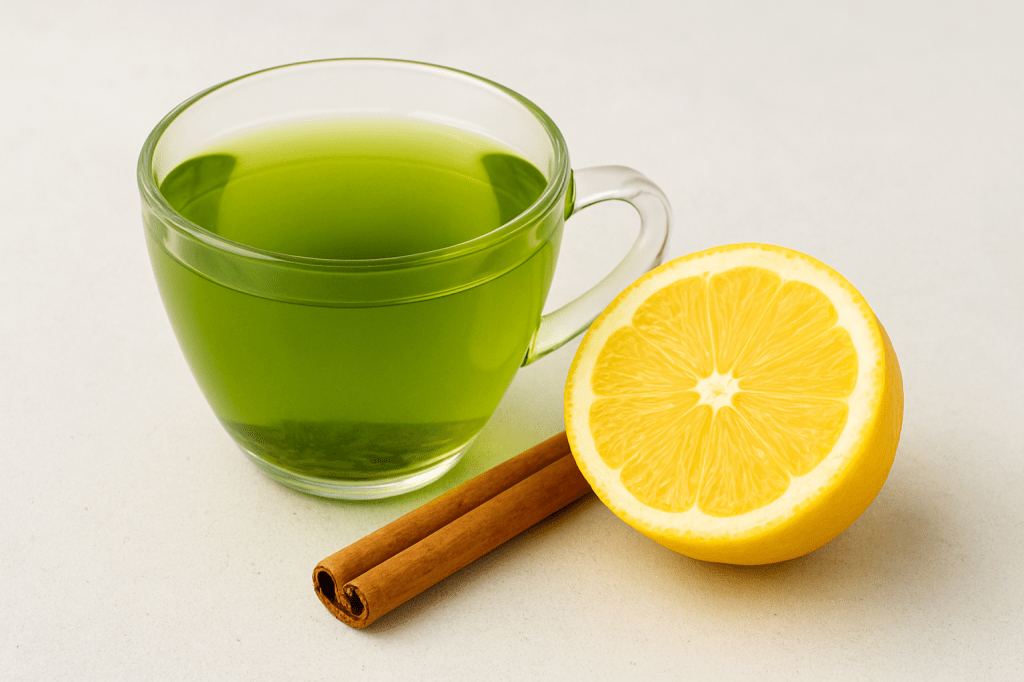
Here’s a simple daily recipe for a cinnamon and green tea blend that supports weight loss, stable energy, and overall wellness:
🌿 Cinnamon Green Tea Recipe
Ingredients:
1 cup (240 ml) hot water (not boiling, around 80°C / 175°F) 1 green tea bag (or 1 tsp loose-leaf green tea) ½ tsp Ceylon cinnamon powder (or 1 small cinnamon stick) 1 tsp fresh lemon juice (optional, for extra fat-burning and vitamin C boost) ½ tsp raw honey (optional, for sweetness and soothing effect)
Instructions:
Heat water until hot but not boiling. Steep the green tea for 2–3 minutes (longer can make it bitter). Add cinnamon (powder or stick). If using a stick, let it steep another 5 minutes. Stir in lemon juice and/or honey if desired. Drink warm, preferably: Morning (kickstarts metabolism and energy) Afternoon (to fight cravings and maintain focus)
🌟 Benefits of This Blend:
Boosts metabolism & fat burning (green tea + lemon). Balances blood sugar & reduces cravings (cinnamon). Steady energy without jitters (L-theanine in green tea + cinnamon’s glucose control). Detoxifying & digestive support (all ingredients combined).
⚠️ Tips & Safety:
Use Ceylon cinnamon which is safer for daily use than Cassia cinnamon. Best consumed without milk, since dairy may reduce antioxidant absorption.
 Magnifique Lifestyle